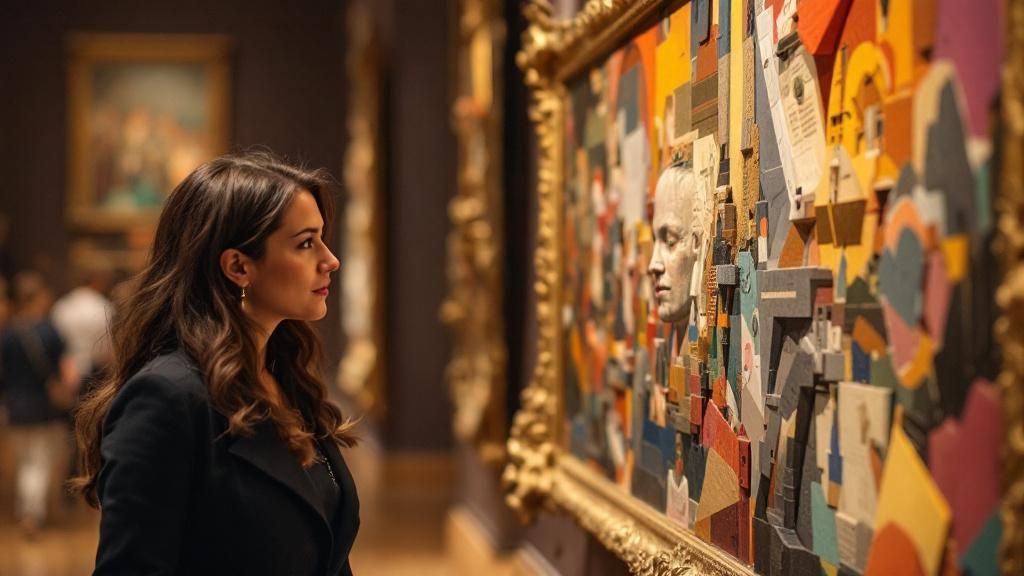

The British Museum has revealed an ambitious new initiative to safeguard modern art collections for coming generations. In a major dedication to modern art conservation, the museum has disclosed substantial funding for innovative conservation programmes designed to address the unique challenges created by modern artistic materials and methods. This calculated allocation underscores the institution’s acknowledgement that contemporary pieces need expert attention and skill, ensuring that modern creative output continue undamaged and accessible for many years ahead.
Growing Conservation Skills
The British Museum’s commitment marks a transformative step in creating world-class curatorial capacity precisely designed to modern artistic works. By establishing dedicated research centres and appointing leading specialists in modern materials science, the institution seeks to create a comprehensive knowledge base addressing the unique preservation challenges created by contemporary works. This development will enable conservators to employ advanced methodologies whilst maintaining rigorous ethical standards, confirming that creative modern methods are protected with the equivalent thorough consideration traditionally afforded to historical artefacts and treasures.
Central to this programme is the hiring of highly experienced conservators with specialisation in contemporary artistic disciplines and innovative materials. The museum acknowledges that contemporary artists frequently experiment with plastics, synthetic compounds, digital components, and mixed media that pose unprecedented conservation challenges. By forming a cross-disciplinary group of specialists, the British Museum will position itself a foremost leader in modern art conservation, attracting talented professionals from across the globe and building collaborative relationships with other leading bodies committed to safeguarding modern cultural heritage.
Furthermore, the programme encompasses comprehensive training schemes intended to develop the next generation of heritage specialists. Through apprenticeships, internships, and advanced educational partnerships with universities, the British Museum will ensure that contemporary art conservation expertise stays current and progressive. This commitment to professional development guarantees that future conservators have the expert understanding needed to manage emerging preservation challenges, ultimately strengthening the institution’s capacity to safeguard and sustain contemporary artworks in perpetuity.
Key Programmes and Funding Allocation
The British Museum’s funding allocation constitutes a transformative approach to contemporary art conservation, with committed funds channelled into establishing state-of-the-art infrastructure and hiring expert personnel. This deliberate funding commitment emphasises study of innovative preservation methodologies, addressing the particular issues presented by current material types such as digital content, man-made polymers, and combined-media pieces. The funding structure ensures sustainable, long-term development of conservation capabilities whilst upholding the museum’s commitment to community involvement and educational programmes.
Collaborative Expansion
Collaborative partnerships form the cornerstone of the British Museum’s preservation approach, enabling expertise transfer with prominent global organisations and research centres. Through collaborative agreements with higher education bodies and specialist conservation groups, the museum improves its specialist knowledge and adoption of cutting-edge technologies. These partnerships support cross-institutional training programmes, permitting conservators to acquire specialist competencies in treating contemporary artworks. The collaborative framework reinforces the broader conservation sector, establishing consistent quality standards across cultural organisations internationally whilst maintaining the British Museum continues to lead of modern art conservation.
The museum has created formal agreements with leading research facilities and university departments, fostering strong connections for exchanging study results and procedural advances. These partnerships extend beyond conventional institutional limits, incorporating working relationships with creative practitioners, technology specialists, and materials researchers. Such interdisciplinary collaboration guarantees conservation approaches stay attuned to changing creative methodologies and new materials-related issues. The collaborations also facilitate access to advanced tools and expertise previously unavailable within individual institutions, substantially improving preservation capability and capacity.
- Cooperative research endeavours with major universities and conservation organisations
- Knowledge-sharing agreements with international museums and heritage preservation organisations
- Educational programmes established collaboratively with conservation specialists
- Technical collaborations with digital archival and preservation experts
- Artist engagement programmes securing modern viewpoints guide preservation work
The partnership model reflects the museum’s dedication to developing long-term preservation systems benefiting the whole heritage sector. By cultivating working relationships, the British Museum contributes to building a comprehensive support network for contemporary art preservation. These collaborations produce significant research findings, widely disseminated within academic and professional communities, advancing preservation methods. The partnership model secures resources are utilised efficiently whilst optimising constructive results among diverse institutions and areas.
Future Impact and Sector Direction
The British Museum’s investment in contemporary art conservation establishes a new benchmark for heritage organisations across the United Kingdom and beyond. By pioneering cutting-edge conservation techniques, the museum establishes itself as a leading authority in managing the changing challenges of modern artistic materials. This approach will undoubtedly influence how other institutions approach their own preservation methods, promoting a collaborative approach to preserving contemporary works that goes beyond established sectoral divides and encourages knowledge sharing within the cultural field.
The programme’s ripple effects will reach across the worldwide preservation field, setting precedents for best practice in managing contemporary mediums. The British Museum’s specialist skills and funding will allow smaller organisations and developing institutions to benefit from shared learning and technical guidance. Furthermore, this undertaking shows that spending on conservation systems generates considerable gains, not merely in terms of preserving artworks but additionally through improving institutional profile and attracting both resources and capable specialists dedicated to current art preservation.
Looking ahead, the British Museum’s commitment will reshape how society appreciates and safeguards present-day artistic output. By implementing comprehensive preservation systems now, the institution secures that those who follow will receive a thorough documentation of contemporary creative achievement. This forward-thinking approach strengthens the museum’s purpose as custodian of human cultural achievement, whilst simultaneously inspiring a broader conversation about our shared obligation to protect the creative heritage that defines our contemporary era.
